
The global economy is a complex, interconnected system that affects every aspect of our lives. From trade and employment to technological advancements and environmental sustainability, understanding the challenges facing the world economy is crucial. This article explores some of the most pressing issues impacting the global economy today and considers potential solutions to navigate these challenges.
- Rising Inflation and Cost of Living
One of the most significant challenges currently facing the global economy is rising inflation. Post-pandemic supply chain disruptions, geopolitical conflicts, and volatile energy markets have contributed to surging prices worldwide.
- Impact on Households: Families are struggling with increased costs for essentials such as food, fuel, and housing, leading to reduced disposable income and lower consumer spending.
- Impact on Businesses: Higher production costs are squeezing profit margins and slowing growth, particularly for small and medium-sized enterprises.
Potential Solutions: Governments and central banks must balance interest rate hikes to curb inflation without stifling economic growth. Additionally, fostering domestic production and diversifying supply chains could mitigate future disruptions.
- Global Debt Crisis
The COVID-19 pandemic led to unprecedented borrowing by governments worldwide to support their economies. Global debt reached record levels, creating significant vulnerabilities, particularly for developing nations.
- Debt Burden: Many countries are struggling to meet repayment obligations, leading to economic instability.
- Impact on Development: High debt levels often divert resources from critical investments in healthcare, education, and infrastructure.
Potential Solutions: Coordinated international efforts, such as debt restructuring and relief programs, can help alleviate the burden. Encouraging sustainable borrowing practices and transparent financial management is also essential.
- Geopolitical Conflicts and Trade Disruptions
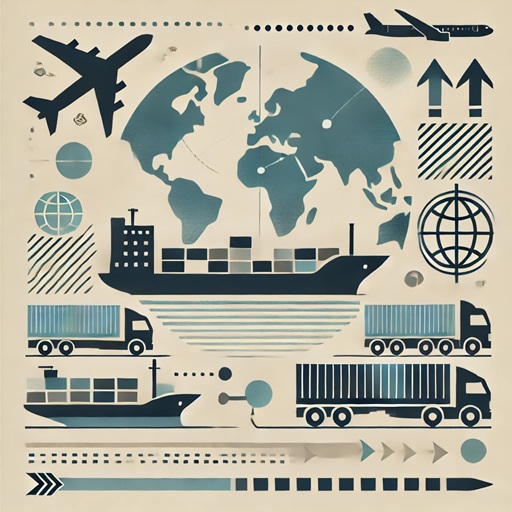
Geopolitical tensions, such as the ongoing Russia-Ukraine war, have significantly impacted global trade. Sanctions, supply chain disruptions, and energy crises have created ripple effects across the world economy.
- Energy Markets: Fluctuating energy prices have increased costs for businesses and households alike.
- Global Supply Chains: Key commodities and manufacturing inputs have become harder to obtain, leading to shortages and price surges.
Potential Solutions: Diplomatic efforts to resolve conflicts and international cooperation to stabilize trade relationships are critical. Investment in renewable energy can also reduce dependence on geopolitically sensitive resources.
- Climate Change and Environmental Sustainability
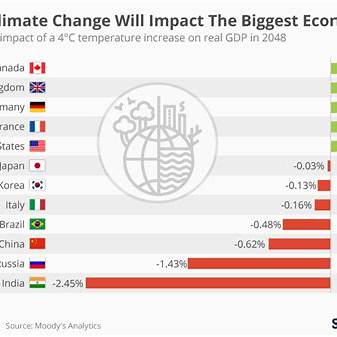
Climate change poses both an existential threat and an economic challenge. Extreme weather events, rising sea levels, and resource depletion have significant economic implications.
- Economic Costs: Natural disasters disrupt industries, damage infrastructure, and lead to loss of life and property.
- Transition to Green Energy: Shifting to renewable energy sources requires substantial investment but also creates economic opportunities.
Potential Solutions: Governments and businesses must prioritize sustainable practices and invest in green technologies. International agreements, such as the Paris Accord, should be upheld and expanded to ensure collective action.
- Technological Disruption and Workforce Transformation
The rapid pace of technological innovation has transformed industries but also created challenges for the global workforce.
- Automation: While improving efficiency, automation has displaced jobs, particularly in manufacturing and low-skilled sectors.
- Digital Divide: Unequal access to technology has widened the gap between developed and developing nations.
Potential Solutions: Upskilling and reskilling programs are essential to prepare workers for the jobs of the future. Governments and private sectors must collaborate to ensure equal access to technological advancements.
Conclusion
The global economy is at a crossroads, facing a multitude of challenges that require collective action and innovative solutions. While the road ahead is fraught with uncertainty, coordinated international efforts and a commitment to sustainable growth can pave the way for a more resilient and equitable global economy. Addressing these issues with urgency and foresight will ensure a prosperous future for all.
References
- International Monetary Fund (IMF). “World Economic Outlook.” https://www.imf.org
- World Bank. “Debt and Development Report.” https://www.worldbank.org
- United Nations. “Sustainable Development Goals (SDGs).” https://www.un.org/sustainabledevelopment
- Organization for Economic Co-operation and Development (OECD). “Global Economic Trends.” https://www.oecd.org
Bloomberg. “Inflation and Energy Markets Analysis.” https://www.bloomberg.com